This guide covers what they should do in the first minutes and the next 24 hours, how emergency removal typically works, and what to avoid.
What should they do first after a tree falls in Willoughby?
They should treat the area like a hazard zone and keep everyone away. The priority is preventing a second injury from shifting wood, unstable roots, or hidden electrical risks.
They should move people and pets indoors, keep clear of hanging limbs, and avoid walking under partially fallen trees. If the tree is blocking a driveway or road, they should still wait for professionals rather than trying to drag sections by hand.
How should they handle trees near power lines or service lines?
In an emergency tree removal Willoughby situation involving powerlines, they should assume every wire is live and stay well back — a tree touching lines can energise the ground and nearby metal, even if there are no visible sparks. It’s important to treat any downed or contact-affected powerline as dangerous and keep people clear.
They should call the electricity provider’s emergency number (such as Ausgrid’s 24-hour line on 13 13 88 in NSW) or call 000 if there’s immediate danger, arcing, sparking, or other hazards. Never touch the tree, a fence, or wet ground near the contact point, and do not let anyone approach until the utility confirms the area is safe.
When should they call for emergency tree removal instead of waiting?
They should call immediately if the tree is on a home, vehicle, or blocking access, or if it is leaning suddenly after the storm. Any cracking sounds, lifted soil, or a partially uprooted base usually signals imminent failure.
They should also treat split trunks and large hanging limbs as urgent. Waiting can turn a manageable removal into a more dangerous and expensive job if the tree shifts overnight or in the next wind gust.
What should they avoid doing while waiting for help?
They should not use a chainsaw if the tree is under tension, tangled in other trees, or resting on a roof. Storm-fallen timber can spring, roll, or kick back as soon as a cut releases pressure.
They should not climb ladders to “test” branches, and they should not park under damaged canopies. If they must access the property, they should use a route that avoids the fall zone and any overhead hazards.
What information should they collect for insurance and the tree crew?
They should take clear photos and short videos from multiple angles before anything is moved. That includes the base, the point of impact, nearby structures, fences, and any obvious pre-existing defects if visible.
They should note the time of the storm, any visible root lift, and whether the tree is resting on power lines or blocking a public path. If it is safe, they should measure approximate trunk diameter and take a wide shot that shows proximity to the house and neighboring properties.
How does emergency tree removal in Willoughby typically work?
They should expect a quick triage first, then a controlled dismantle. Emergency crews usually start by making the site safe, isolating hazards, and planning drop zones and rigging points.
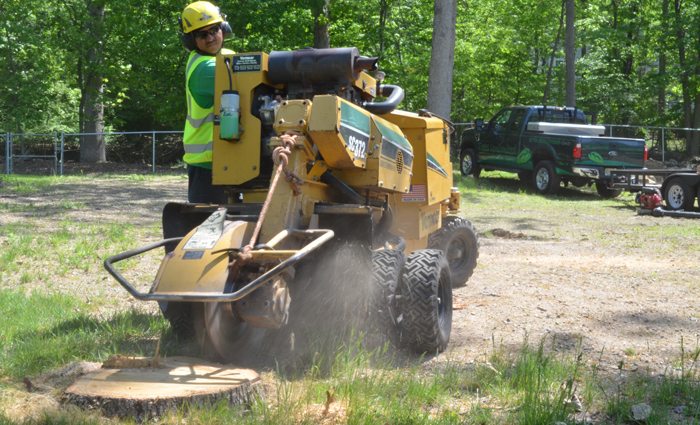
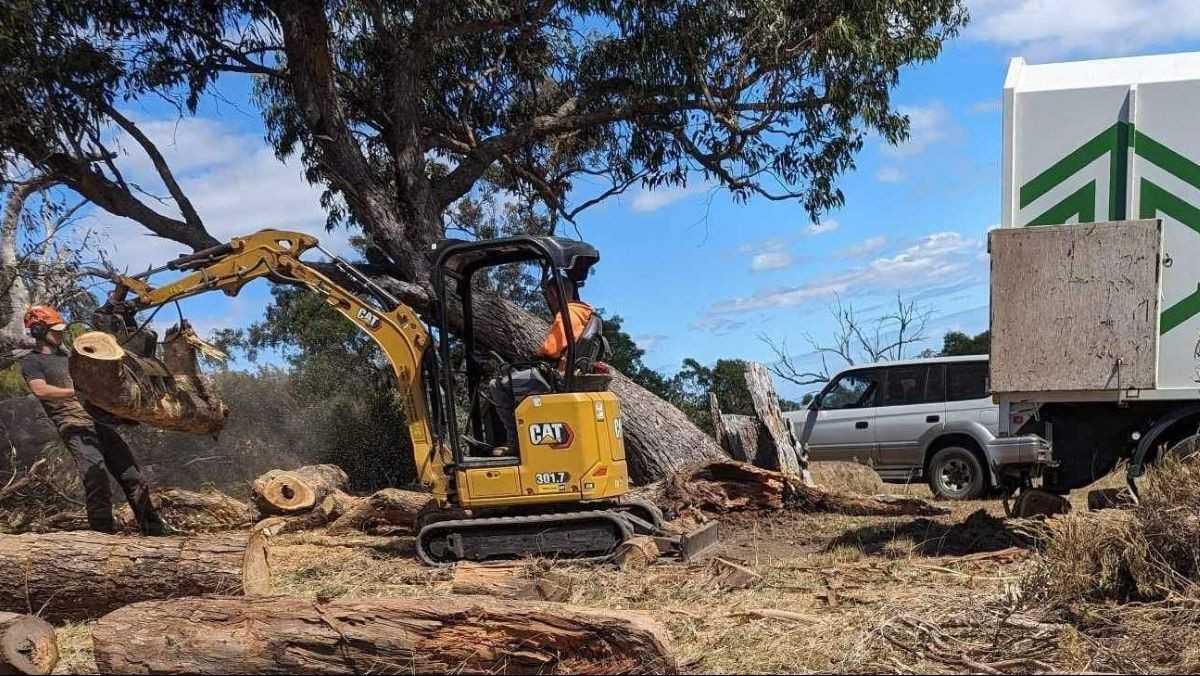
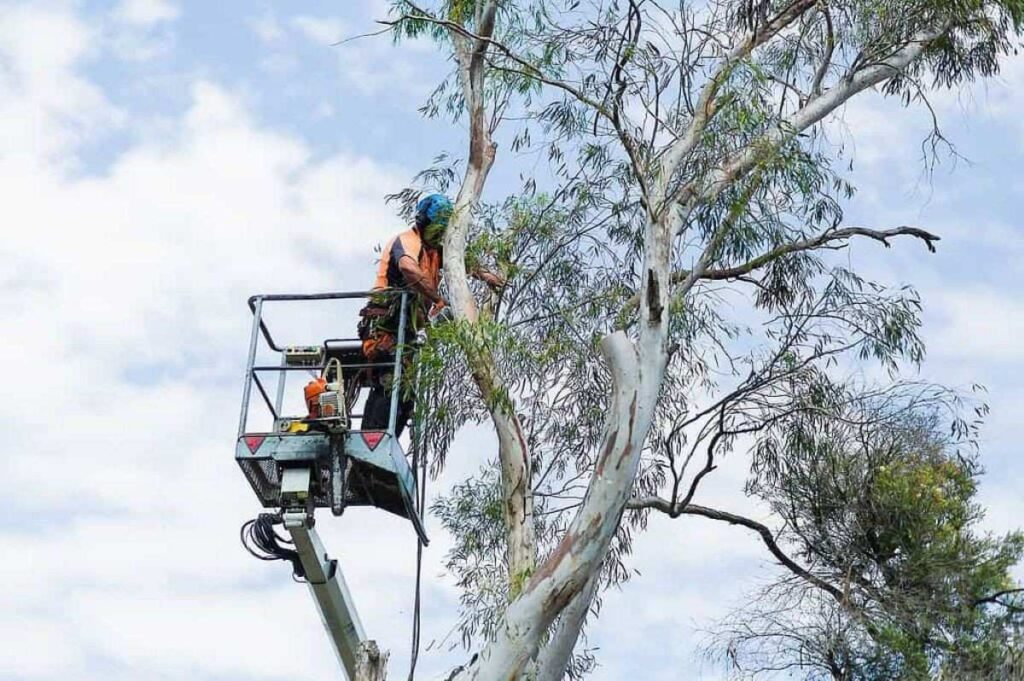
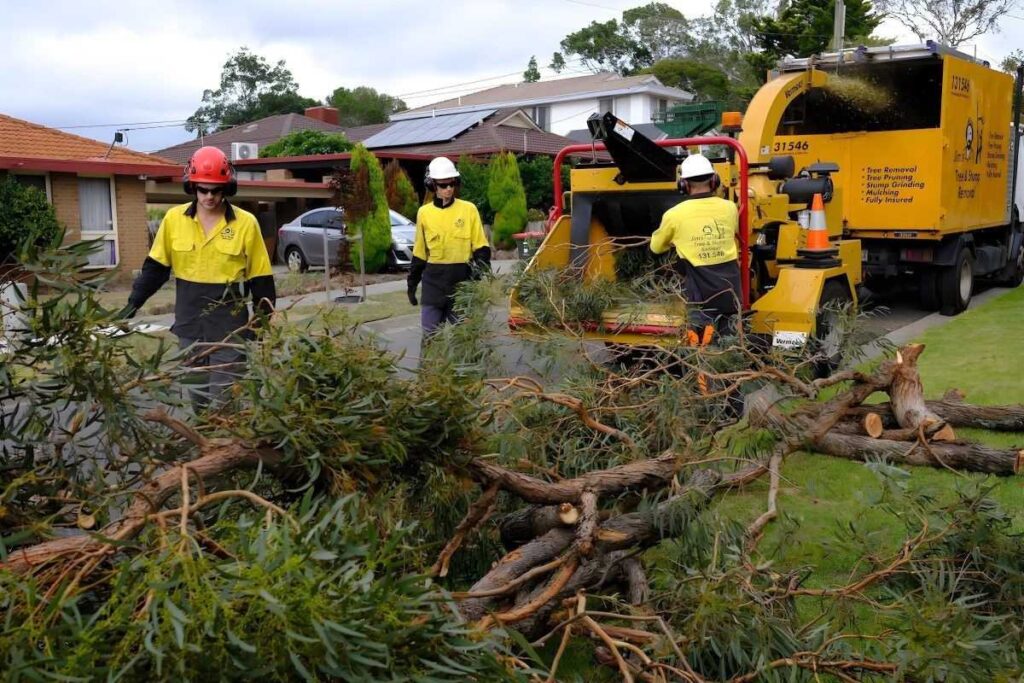
If the tree is on a roof, they may remove weight in sections to reduce further structural damage. If access is tight, they may use ropes, rigging, and sometimes cranes or elevated platforms. After removal, they can usually cut and stack debris, chip branches, and discuss stump options if requested.
How can they tell if a damaged tree can be saved or must be removed?
They should assume removal is likely when the trunk is split, the tree is uprooted, or more than about half the canopy is compromised. A tree that has lost major structural roots or is leaning with heaving soil often becomes unsafe long term.
They may be able to save a tree with minor limb loss through pruning and bracing, but only after a proper assessment. A qualified arborist can check for internal cracks, trunk separation, and root plate movement that is not obvious from a quick look. Read more about safe tree program guidelines.
Who is responsible if a tree falls across a fence or onto a neighbor’s property?
They should focus on safety first, then clarify boundaries and liability with documentation. Responsibility can depend on where the tree was rooted, whether it was previously known to be hazardous, and local rules or insurer guidance.
They should avoid arguments at the boundary line and instead share photos and timelines. In many cases, each party handles damage on their side through their insurer, but an arborist report can help if there is a dispute about prior neglect or known risk.
What should they look for when hiring an emergency tree removal service?
They should choose a service that can respond quickly, is properly insured, and uses qualified arborists for high-risk work. They should ask for proof of public liability and workers compensation coverage, plus confirmation of licensing or qualifications relevant to tree work.
They should also ask how the crew will manage power line proximity, what equipment they will use, and whether debris hauling is included. A clear written quote and a defined scope help avoid surprises during urgent jobs.
How can they reduce the chance of repeat storm damage after removal?
They should schedule a post-storm inspection of remaining trees on the property. Many future failures come from hidden defects such as deadwood, weak branch unions, decay at the base, or root damage from waterlogged soil.
They should consider preventative pruning to reduce sail area, remove dead limbs, and improve structure. If a tree is leaning or showing fungus near the trunk base, they should arrange an arborist assessment before the next storm season.
Related : When Is the Best Time of Year for Hedge Trimming in Sydney?
FAQs (Frequently Asked Questions)
What are the immediate safety steps to take after a tree falls in Willoughby?
Immediately treat the area as a hazard zone by keeping everyone away to prevent injury from shifting wood, unstable roots, or hidden electrical risks. Move people and pets indoors, avoid hanging limbs and partially fallen trees, and wait for professionals before attempting any removal, especially if the tree blocks access.
How should fallen trees near power lines be handled safely?
Always assume every wire is live and maintain a safe distance. Do not touch the tree, fences, or wet ground near contact points. Contact the electricity provider or emergency services if lines are down, arcing, or resting on structures. Wait for utility confirmation that the area is safe before approaching.
When is it necessary to call an emergency tree removal service in Willoughby?
Call immediately if the tree is on a home, vehicle, or blocking access, or if it leans suddenly after a storm. Signs like cracking sounds, lifted soil, partially uprooted bases, split trunks, or large hanging limbs indicate urgent removal needs to prevent further danger or costly damage.
What actions should be avoided while waiting for professional tree removal help?
Do not use chainsaws on trees under tension or tangled with others as they may spring or kick back. Avoid climbing ladders to test branches and never park under damaged canopies. Use routes that avoid fall zones and overhead hazards when accessing the property.
What information should be documented for insurance claims and emergency tree crews?
Take clear photos and videos from multiple angles showing the base, impact points, nearby structures, fences, and any visible defects. Note storm timing, root lift visibility, proximity to power lines or public paths. If safe, measure trunk diameter and capture wide shots showing relation to houses and neighbors.
How does emergency tree removal typically proceed in Willoughby?
Emergency crews begin with site triage to isolate hazards and plan safe drop zones. They may dismantle the tree in sections to reduce structural damage using ropes, rigging, cranes, or elevated platforms if needed. After removal they cut and stack debris, chip branches, and discuss stump options upon request.