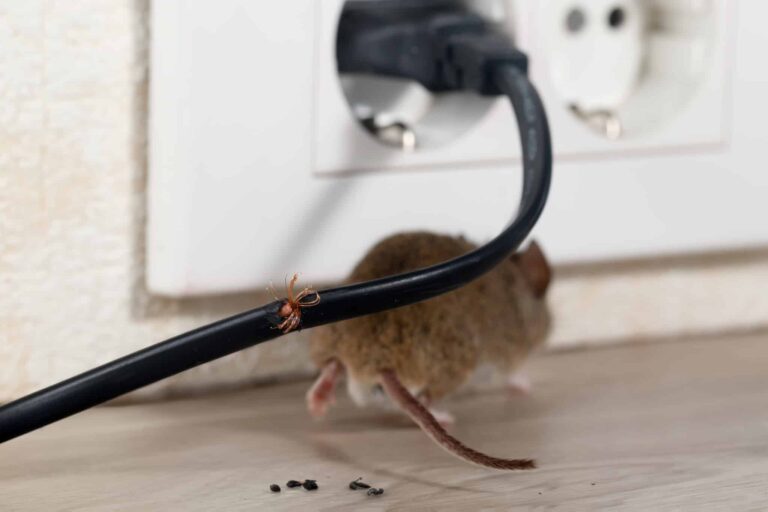

Mice control Sydney efforts often fail because homeowners unknowingly create conditions that attract and sustain rodent populations. Simple oversights—like leaving food accessible, ignoring structural damage, or attempting ineffective DIY solutions—can transform a minor mouse sighting into a full-blown infestation.
Effective mice removal sydney protects your family’s health, prevents property damage, and maintains your home’s hygiene standards. Mice carry diseases, contaminate food supplies, chew through electrical wiring, and reproduce rapidly. A single breeding pair can produce dozens of offspring within months, making early intervention critical.
This article examines the common mistakes homeowners make when dealing with rodent infestations in Sydney properties. From sanitation lapses to structural vulnerabilities, you’ll discover which errors worsen mouse problems and learn practical strategies to avoid them. Understanding these pitfalls helps you implement more effective control measures and know when professional intervention becomes necessary.

Why Do Homeowners Neglect Sanitation and Food Storage in Mice Control?
Leaving food accessible creates an open invitation for mice to establish themselves in Sydney homes. Many homeowners underestimate how small food sources—crumbs on countertops, unsealed cereal boxes, or unwashed dishes overnight—provide consistent nourishment that encourages rodents to stay and breed.
The daily routine of busy households often leads to sanitation neglect that compounds the problem. Pet food bowls left out overnight become midnight buffets for mice, while open packaging in pantries offers easy access to grains, pasta, and snacks. A single forgotten spill or crumb trail can sustain multiple mice for days.
Food storage mistakes that attract rodents Sydney homeowners commonly make include:
- Storing dry goods in original cardboard or plastic packaging that mice easily chew through
- Leaving fruit bowls uncovered on kitchen benches
- Not emptying kitchen bins daily, especially those containing food scraps
- Keeping pet food bags open in garages or laundries
- Failing to clean behind appliances where food particles accumulate
Proper food storage requires transferring all pantry items into airtight glass or heavy-duty plastic containers with secure lids. Pet food should be stored in sealed bins and bowls emptied after feeding times. Regular cleaning of kitchen surfaces, immediate spill cleanup, and daily garbage disposal eliminate the food sources that make homes attractive to rodents.
How Ignoring Home Repairs Can Lead to Mouse Infestations
Structural Weaknesses: Open Invitations for Mice
Weaknesses in a home’s structure can create opportunities for mice to enter. These pests are skilled at finding their way in, squeezing through tight spaces and exploiting even the smallest openings. It’s crucial for homeowners to be aware of these vulnerabilities and take proactive measures to seal them off.
Mice can fit through gaps as small as 6mm, which means that even minor cracks in walls, floors, and foundations can become potential entry points. Here are some common areas where rodents may find their way inside:
- Cracks around utility pipes and cable entry points
- Gaps beneath garage doors and sliding doors
- Deteriorated mortar between bricks
- Broken roof tiles and damaged eaves
- Unsealed expansion joints in concrete
Moisture Problems: Ideal Breeding Environments for Mice
In addition to structural weaknesses, moisture issues can also contribute to mouse infestations. Mice are attracted to damp environments where they can build nests and find food sources. Here are some ways in which moisture problems can create favorable conditions for these pests:
- Leaky pipes under sinks, behind walls, or in crawl spaces provide both water sources and damp conditions mice need for nesting.
- Poor drainage around the home’s perimeter leads to pooling water that attracts rodents while simultaneously weakening foundations and creating additional entry gaps.
- Blocked gutters overflow during storms, saturating wall cavities where mice establish colonies.
- Bathroom and kitchen plumbing leaks go unnoticed until significant water damage occurs, by which time rodent populations have already established themselves in these protected, resource-rich areas.
The Importance of Regular Home Repairs
To effectively prevent mouse infestations, it’s essential for homeowners to address both structural integrity and moisture management through regular home repairs. Here are some key areas to focus on:
- Inspecting and repairing any cracks or gaps in walls, floors, and foundations
- Sealing off entry points such as utility pipes, cable entries, garage doors, and sliding doors
- Maintaining the condition of roofs by replacing broken tiles and fixing damaged eaves
- Ensuring proper drainage around the property to avoid pooling water
- Clearing gutters regularly to prevent overflow during storms
By taking these proactive steps, homeowners can significantly reduce the risk of mouse infestations and create an environment that is less inviting to these pests.
Why Is Overgrown Vegetation Near the Home a Problem for Mice Control?
Overgrown vegetation creates a direct pathway from your garden into your home that rodents find irresistible. Dense shrubs, untrimmed bushes, and tall grass offer mice the perfect cover to move undetected while protecting them from natural predators like birds and cats.
Unkempt lawns become more than just an eyesight issue—they transform into rodent highways. Mice use thick vegetation as both shelter and a food source, feeding on seeds, fallen fruits, and plant matter while establishing nesting sites within overgrown areas. The closer these vegetated zones sit to your home’s foundation, the easier mice can transition from outdoor harborage to indoor invasion.
To effectively combat this issue, it’s essential to implement some garden maintenance pests Sydney homeowners should prioritize. This includes:
- Trimming shrubs and bushes at least 30cm away from exterior walls
- Keeping grass cut short (under 5cm height)
- Removing fallen fruits, nuts, and seeds promptly
- Clearing leaf litter and garden debris regularly
- Pruning tree branches that overhang or touch the roof
Dense ground covers like ivy or thick mulch layers exceeding 7cm provide additional nesting materials and concealment. These conditions become especially problematic during Sydney’s cooler months when mice actively seek warm shelter near human dwellings.
Regular garden maintenance pests Sydney professionals recommend weekly inspections of perimeter vegetation. Creating a clear zone between landscaping and your home’s exterior eliminates the protected corridors mice rely on for safe passage.
What Role Does Clutter Play in Sustaining Mouse Infestations?
Cluttered homes are irresistible to rodents because disorganized spaces create perfect sanctuaries for nesting and reproduction. Piles of newspapers, cardboard boxes, unused furniture, and stored items provide warm, undisturbed environments where mice establish colonies away from human detection.
The problem intensifies in storage areas like garages, basements, and attics where homeowners accumulate belongings over years. These hiding spots for mice that Sydney residents often overlook become breeding hubs where a single pair can produce 50-60 offspring annually. Stacked items create maze-like pathways that protect rodents from predators while offering multiple escape routes.
Common clutter hotspots include:
- Cardboard storage boxes – Mice chew through cardboard easily and use the material for nesting
- Piles of clothing or linens – Soft fabrics make ideal bedding for mouse litters
- Stacked magazines and papers – Provide insulation and concealment
- Unused appliances and furniture – Create dark, protected spaces behind and underneath
Minimizing clutter requires systematic decluttering sessions where homeowners sort through stored items, discard unnecessary belongings, and organize remaining items in sealed plastic containers elevated off the floor. Clear pathways around walls and corners eliminate the protected corridors mice prefer for movement. Regular cleaning of storage areas disrupts established nesting sites before populations explode, making professional treatment significantly more effective when combined with proper home organization practices.
What Are the Risks of DIY Pest Control Errors in Mice Management?
DIY pest control mistakes often create more problems than they solve, leaving Sydney homeowners frustrated with persistent infestations. The most dangerous error involves scattering loose rodent baits around the home without proper containment, which exposes children and pets to toxic substances while mice simply drag the bait into wall cavities.
Many homeowners reach for blanket indoor sprays when they spot a mouse, but these products drive rodents deeper into hiding spots rather than eliminating them. The chemicals coat visible surfaces while mice retreat into appliances, roof voids, and wall spaces where the spray cannot reach.
Rodent bait errors Sydney residents commonly make include:
- Using supermarket-grade baits that mice have developed resistance to
- Placing bait stations in easily accessible areas instead of along rodent runways
- Overdosing chemicals in desperation, creating health hazards without improving results
- Failing to secure bait in tamper-resistant stations as required by safety regulations
Foggers and “bombs” present another ineffective solution. These devices release pesticide into open air spaces but cannot penetrate the tight harborage areas where mice nest and breed. The mist settles on countertops and furniture while rodents remain protected inside dishwashers, behind refrigerators, and within wall cavities.
Misidentifying the pest species leads to incorrect treatment placement. What works for cockroaches fails against mice, yet homeowners often apply the same approach to different pests.
Why Is Relying Solely on Natural Repellents Ineffective Against Mice?
Natural repellents like peppermint oil and ultrasonic devices may not be strong enough to get rid of established mouse populations. These methods might scare away a few curious mice for a short time, but they won’t eliminate an active infestation or stop determined mice from getting to food sources in your home.
The Limitations of Peppermint Oil
The effectiveness of peppermint oil as a rodent repellent is mostly based on personal stories rather than scientific evidence. While mice may dislike the smell, hungry rodents will tolerate mild discomfort to reach easily accessible food. The scent of the oil fades quickly, requiring frequent reapplication that becomes impractical for protecting an entire home. A few drops in cupboards won’t deter mice that are already nesting in your walls or ceiling spaces.
The Limitations of Ultrasonic Devices
Ultrasonic devices have similar drawbacks:
- Sound waves cannot go through walls or furniture where mice hide
- Rodents quickly get used to repetitive sound frequencies
- Devices only affect small, open areas directly in front of them
- There is no scientific proof supporting their long-term effectiveness
Mice Control Sydney: Common Mistakes Homeowners Make often includes wasting time and money on these gentle approaches while infestations grow. A single breeding pair can produce 60 offspring each year. Professional pest controllers use specific baiting systems, methods to keep pests out, and monitoring procedures that tackle the main problem instead of just covering it up with pleasant smells or sounds that can’t be heard. It’s crucial to understand that natural rat repellents may not always work, which is why relying solely on them can lead to ineffective results.
How Important Is Sealing Entry Points After Treatment?
Sealing entry points after treatment is critical for preventing re-infestation—without proper exclusion work, mice will simply return through the same openings. Even the most effective baiting program becomes a temporary solution when gaps remain unsealed.
Sydney homeowners frequently miss these vulnerable areas when sealing entry points rodents Sydney properties:
Door and window vulnerabilities:
- Worn door sweeps that leave gaps of 6mm or more
- Damaged weather stripping around window frames
- Gaps between door frames and walls
Structural weak points:
- Weep holes in brick veneer walls (should have mesh covers)
- Air conditioning penetrations through external walls
- Gaps around plumbing and electrical conduits
- Cracks in concrete foundations and expansion joints
Roof and eave access:
- Damaged or missing roof tiles
- Unsealed eave vents and gable vents
- Gaps where utilities enter the roofline
Mice can squeeze through openings as small as a 10-cent coin. A single unsealed gap renders your entire treatment effort ineffective, allowing new mice to establish territories within days. Professional pest controllers use steel wool, copper mesh, and expanding foam specifically designed for rodent exclusion—materials that mice cannot chew through. Standard caulk or foam alone won’t provide lasting protection against determined rodents seeking shelter and food sources inside your home.
Why Should Homeowners Conduct Follow-Up Monitoring After Treatment?
Completing treatment doesn’t guarantee that the problem is permanently solved—mice can come back through entry points that were missed or from nearby properties. Follow-up monitoring for mice control helps identify these issues before a few mice turn into a full-blown infestation.
Many homeowners in Sydney believe that once bait stations are set up or traps are installed, the problem is resolved. This belief creates a risky situation where surviving mice can breed without being noticed, or new rodents can move in within weeks. Regular inspections can uncover fresh droppings, gnaw marks, or grease trails that indicate ongoing activity needing immediate action.
Professional pest controllers usually plan follow-up monitoring for mice control visits every 7-14 days for the first month after treatment. Homeowners should also be vigilant by:
- Checking bait stations weekly to see how much is being eaten
- Looking at areas where mice were previously active for new droppings or damage
- Keeping an eye on trap placements and replacing any triggered devices
- Inspecting sealed entry points for signs of chewing or new openings
- Writing down any sightings or noises coming from walls and ceilings
Detecting problems early through regular monitoring allows for specific actions to be taken before mouse populations increase. A single pregnant female mouse can have 5-10 litters each year, with each litter consisting of 5-6 baby mice. If there is no follow-up monitoring for mice control, one overlooked mouse can quickly become dozens within a few months, requiring more extensive and expensive treatment than what was needed for the original infestation.
How Does Poor Maintenance of Appliances Contribute to Mouse Problems?
Neglected kitchen appliances provide ideal hiding places for mice. The warm motors and leftover food around fridges, microwaves, and dishwashers create perfect conditions for rodents. Mice can easily squeeze into gaps behind and underneath these appliances, where they build nests in insulation and access crumbs that are hard to reach.
Why Appliances Attract Mice
The warmth generated by refrigerator motors and dishwasher heating elements draws rodents seeking shelter, especially during Sydney’s cooler months. Food particles trapped under appliances or inside vents provide consistent nutrition sources. Mice can access these spaces through surprisingly small gaps—as narrow as 6mm—making appliance maintenance rodents hiding spots Sydney kitchens a critical concern.
Essential Maintenance Practices
Regular appliance care significantly reduces mouse problems:
- Pull out appliances monthly to vacuum food debris and check for droppings or nesting materials
- Clean behind fridges where condensation and spills create moisture that attracts pests
- Inspect dishwasher seals for gaps where mice might enter
- Wipe down microwave interiors to remove food residue that produces odors
- Check appliance feet and leveling to eliminate floor gaps where rodents hide
- Seal utility line entry points where power cords and water lines penetrate walls
Professional pest controllers often find established mouse colonies behind poorly maintained appliances during inspections. This oversight represents one of the most preventable mistakes in Mice Control Sydney: Common Mistakes Homeowners Make, yet remains commonly neglected until infestations become severe.
Related : Rat Pest Control Sydney: How Technicians Seal Entry Points