Why Is Rat Pest Control Crucial in Sydney Homes?
Rat infestations pose significant threats to Sydney households, with the city’s temperate climate and urban density creating ideal conditions for rodent populations to thrive. These nocturnal pests carry diseases including leptospirosis, salmonella, and hantavirus, contaminating food preparation areas and spreading pathogens through their droppings and urine.
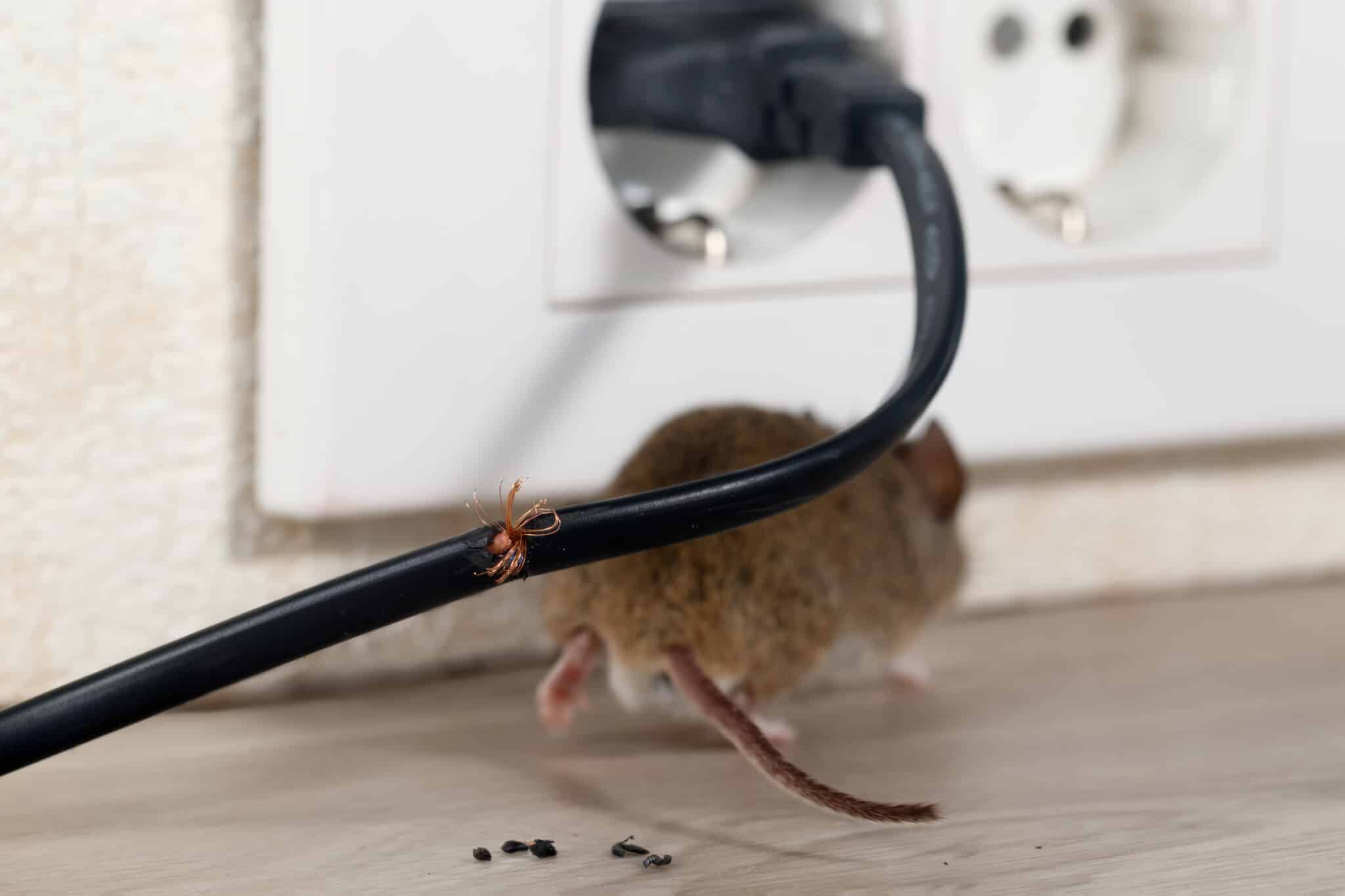
The importance of rat control sydney extends beyond health concerns. Rats cause extensive property damage by gnawing through electrical wiring, insulation, and structural materials, potentially creating fire hazards and costly repairs. Their rapid reproduction rate means a small problem can escalate into a full-blown infestation within weeks.
Effective rat pest control Sydney services recognize that elimination requires more than just traps or poison. Sealing entry points stands as the foundation of long-term prevention, blocking rodents before they establish nests inside your walls. Without addressing how rats enter your property, treatments only provide temporary relief, leaving homes vulnerable to repeated invasions.
Common Entry Points for Rats in Sydney Homes
Rats can squeeze through openings as small as 2 centimeters, making countless rat entry points around your property potential gateways for infestation. Sydney homes have many weaknesses that rodents easily take advantage of.
Gaps Around Doors and Windows
The spaces beneath external doors are one of the most common ways for rats to get in. Over time, weather stripping wears out, creating gaps that may seem small but actually provide enough space for rodents to enter. Window frames also develop cracks and separations from walls, especially in older Sydney homes where settling and exposure to weather have damaged seals.
Rats often go for the corners of door frames where materials meet, as these junction points naturally form small openings. Sliding doors also pose an extra risk, with their tracks and side channels offering multiple ways for rats to enter.
Pipe and Vent Openings
Utility penetrations create significant home vulnerabilities that rats readily exploit. The spaces around:
- Water pipes entering through foundations or walls
- Gas line entry points
- Drainage pipes and downspouts
- Air conditioning refrigerant lines
- Electrical conduits
Vents serving bathrooms, kitchens, and dryers often lack proper screening or have damaged covers. Rats can climb walls and reach these higher openings, especially when plants provide easy routes to upper levels.
Structural Vulnerabilities
Many properties in Sydney are older and show signs of wear and tear. Roof eaves develop gaps where fascia boards separate from rooflines. Weep holes in brick veneer, designed for moisture drainage, become rat highways when left unprotected.
Foundation cracks widen with changes in temperature and movement of the ground. Garage doors rarely seal completely at the bottom, leaving consistent gaps. The junctions where different building materials meet—such as brick to weatherboard or concrete to timber—create natural weak points that rats find and use during their nighttime explorations.
How Do Technicians Identify Rat Entry Points During Inspections?
Professional pest control technicians conduct systematic interior and exterior property assessments to locate every potential access point rats might exploit. The inspection begins with examining the building’s perimeter at ground level, then moves upward to rooflines, checking areas where different building materials meet and where utilities enter the structure.
Rodent inspection techniques involve both visual examination and tactile assessment of suspected areas. Technicians use flashlights to illuminate dark spaces under decks, in crawl spaces, and within roof cavities. They test the integrity of screens, weatherstripping, and door sweeps by applying pressure to identify weaknesses that rats could breach.
Signs of Infestation
Signs of infestation guide technicians to active entry points and travel routes:
- Droppings: Fresh, dark pellets approximately 10-20mm long indicate recent rat activity, with concentrations marking frequently used pathways
- Gnaw marks: Fresh wood shavings or chewed materials around holes reveal active entry attempts, with newer marks appearing lighter in color
- Grease trails: Dark, oily smudges along walls, pipes, and beams show where rats repeatedly brush against surfaces during their nightly movements
- Nesting materials: Shredded paper, fabric, insulation, or plant matter collected in hidden spaces signal established colonies
- Urine stains: Visible under UV light, these markings help identify high-traffic areas and nesting zones
- Footprints and tail marks: Dust or flour sprinkled in suspected areas can reveal tracks within 24 hours
Technicians pay particular attention to areas where rats leave rub marks—distinctive smudges created by oils in their fur. These marks appear darkest at frequently used entry points, helping prioritize which openings require immediate sealing. The inspection process typically takes 45-90 minutes depending on property size and complexity, ensuring no potential access point goes undetected.
What Materials Do Technicians Use to Seal Rat Entry Points Effectively?
Technicians rely on chew-resistant materials like steel wool and metal mesh because rats can gnaw through softer substances within hours. These materials create impenetrable barriers that withstand the powerful jaw strength of rodents, which can exert up to 24,000 pounds per square inch of pressure.
Steel Wool and Metal Mesh
Steel wool serves as a primary defense in sealing materials for rodents because its coarse texture irritates rats’ teeth and gums, discouraging chewing attempts. Technicians often pack steel wool into small gaps around pipes, cable entry points, and foundation cracks. Metal mesh, typically made from galvanized steel or copper, provides structural reinforcement for larger openings around vents and utility penetrations. The mesh comes in various gauges, with 19-gauge or thicker recommended for maximum durability.
Caulk and Sealants
Professional-grade caulk fills hairline cracks and seams where metal materials cannot fit. Technicians select silicone-based or polyurethane caulks that maintain flexibility while creating watertight seals. These sealants work best when combined with steel wool in confined spaces, as the caulk holds the metal in place while providing additional protection against moisture and air infiltration.
Metal Flashing
Metal flashing addresses larger structural vulnerabilities, particularly around roof lines, chimneys, and foundation joints. Aluminum or galvanized steel flashing creates permanent barriers that rats cannot penetrate. Technicians cut and shape flashing to fit specific architectural features, securing it with corrosion-resistant fasteners.
Door Sweeps and Threshold Seals
Specialized door sweeps made from heavy-duty rubber or brush strips eliminate the common gap beneath exterior doors. These components attach directly to door bottoms, creating a continuous seal that prevents rats from squeezing underneath. Threshold seals provide additional protection at the base of door frames, particularly in older Sydney homes where settling has created uneven surfaces.
How Are Sealing Techniques Combined with Other Rodent Exclusion Methods?
Sealing entry points works best when paired with multiple rodent exclusion strategies that Sydney technicians use at the same time. Physical barriers alone cannot get rid of rat populations that are already inside your property, which is why professionals combine sealing with active removal methods to achieve complete control.
The Role of Vent Barriers in Rodent Exclusion
Vent barriers for rodents are an important part of a comprehensive exclusion plan. Technicians install specially designed metal mesh screens over roof vents, exhaust outlets, and plumbing vents that allow airflow while keeping rodents out. These barriers work together with sealed cracks and gaps, creating a multi-layered defense system around vulnerable areas.
The Integration Process: A Step-by-Step Approach
The integration process follows a strategic sequence:
- Initial sealing phase: Technicians secure all identified entry points using appropriate materials
- Barrier installation: Protective covers go over vents, chimneys, and drainage openings
- Interior treatment: Bait stations and snap traps target rats trapped inside after sealing
- Monitoring stations: Strategically placed devices track remaining rodent activity
Baiting Programs: Targeting Rats After Sealing
Baiting programs begin immediately after sealing work is completed. Rodenticide stations positioned in roof voids, subfloors, and along active pathways eliminate rats that cannot escape through now-blocked exits. Snap traps provide non-toxic alternatives in food preparation areas where chemical treatments pose contamination risks.
Additional Measures: Door Sweeps and Wire Mesh Barriers
Door sweeps installed at ground level prevent rats from squeezing under exterior doors, while wire mesh barriers protect weep holes in brick veneer walls. Technicians may also install one-way exclusion devices on active entry points, allowing rats to exit but preventing re-entry. This humane approach works particularly well for roof rats accessing upper levels through tree branches or utility lines.
A Holistic Approach: Addressing Infestations and Prevention
The combination approach addresses both current infestations and future prevention. Sealing denies new rodents access while trapping and baiting remove existing populations, creating a pincer effect that achieves faster, more permanent results than either method used independently.
To enhance the effectiveness of these sealing techniques, steel wool can be used as an additional material to block small entry points due to its durability and resistance to gnawing by rodents.
Why Is Ongoing Maintenance Critical After Sealing Entry Points?
Sealed entry points don’t guarantee permanent protection—regular maintenance ensures rats can’t find new ways inside. Even the most thorough initial sealing work requires follow-up inspections to maintain effectiveness over time.
Understanding Rodent Exclusion Maintenance
Rodent exclusion maintenance, as outlined in this NPS Rodent Exclusion Manual, addresses several critical vulnerabilities that develop after the initial treatment. Weather conditions, building settlement, and general wear can compromise sealed areas. Metal mesh may corrode in coastal Sydney environments, caulking can crack during temperature fluctuations, and door sweeps wear down with daily use.
The Role of Technicians in Pest Control Follow-Up
Technicians conducting pest control follow-up Sydney services check for:
- Deterioration of sealing materials around pipes and vents
- New cracks appearing in foundations or walls
- Damage to previously sealed areas from home renovations
- Signs of rats testing sealed entry points through fresh gnaw marks
The Importance of Regular Inspections
Rats constantly probe structures for weaknesses. A gap as small as 12mm provides sufficient space for these persistent rodents to squeeze through. Regular inspections—typically scheduled quarterly or bi-annually—are crucial to catch these vulnerabilities before rats exploit them. This aspect is highlighted in an article discussing the importance of regular property inspections, which emphasizes identifying and preventing potential issues.
Documenting Condition and Identifying Problem Areas
Professional monitoring programs document the condition of all sealed locations, creating a maintenance history that identifies problem areas requiring reinforcement. This systematic approach prevents the costly cycle of repeated infestations that occurs when homeowners assume a one-time sealing provides permanent protection. Regular maintenance not only reinforces the sealed entry points but also ensures that any new vulnerabilities are addressed promptly, similar to how operating and maintaining levees requires ongoing attention and inspection.
How Do Hygiene Practices Support Rodent Control Efforts?
Proper sanitation eliminates the food sources that draw rats into Sydney homes in the first place. Even with perfectly sealed entry points, accessible food and water will motivate rodents to search harder for alternative ways inside.
Essential rodent hygiene tips Sydney homeowners should implement:
- Store all pantry items in airtight metal or thick plastic containers
- Clean up food spills and crumbs immediately after meals
- Keep rubbish bins tightly sealed with secure lids
- Remove pet food bowls after feeding times rather than leaving them out overnight
- Wash dishes promptly instead of leaving them in the sink
- Wipe down countertops and sweep floors daily
Outside the home, secure compost bins properly and avoid leaving fallen fruit under trees. Bird feeders can scatter seeds that attract rats, so position them away from the house or remove them entirely. Clean outdoor dining areas thoroughly after use, as grease and food residue create powerful attractants for hungry rodents searching for their next meal.
In addition to these hygiene practices, it’s crucial for homeowners to ensure that all potential entry points into the home are securely sealed. This step is vital in preventing rodents from entering, even when food sources are scarce. The CDC provides comprehensive guidelines on how to effectively seal up your home against unwanted rodent intrusions.
What Does a Comprehensive Rat Pest Control Service in Sydney Include?
Professional rat pest control Sydney services deliver a multi-layered approach that addresses both immediate infestations and long-term prevention. The process begins with a detailed property assessment and continues through active treatment phases to ongoing protection strategies.
A complete service package includes:
1. Initial Property Inspection
Technicians conduct thorough internal and external examinations to map all entry points, assess infestation severity, and identify conducive conditions. This diagnostic phase forms the foundation for customized treatment plans.
2. Strategic Entry Point Sealing
Using chew-resistant materials like steel wool, metal mesh, and industrial-grade caulk, professionals seal every identified gap. Door sweeps, vent covers, and metal flashing create permanent barriers against rodent access.
3. Targeted Interior Treatments
Once entry points are secured, technicians deploy strategic baiting stations and humane trapping systems in active zones. These methods eliminate existing populations while the sealed perimeter prevents new arrivals.
4. Hygiene and Environmental Modifications
Experts provide tailored recommendations for food storage improvements, waste management protocols, and landscaping adjustments. These consultations help homeowners eliminate attractants that draw rats to properties.
5. Scheduled Monitoring Programs
Regular follow-up visits ensure sealed areas remain intact and detect any emerging vulnerabilities. Technicians adjust treatment strategies based on seasonal patterns and property changes, maintaining continuous protection.
6. Documentation and Reporting
Professional services include detailed records of treatments applied, materials used, and recommendations implemented. This documentation proves valuable for property management and future pest prevention planning.
The combination of these elements creates a defensive system that adapts to Sydney’s specific rodent challenges, from coastal moisture issues to urban construction disturbances.
Conclusion
Protecting your Sydney home from rat infestations requires professional expertise and constant vigilance. Effective rat control Sydney services deliver lasting results when homeowners work with qualified technicians who understand the complexities of rodent behavior and structural weaknesses.
The benefits of sealing entry points go beyond immediate protection—properly sealed homes reduce health risks, prevent property damage, and eliminate the stress of recurring infestations. Professional pest control specialists bring specialized knowledge about Rat Pest Control Sydney: How Technicians Seal Entry Points, using materials and techniques that DIY methods simply cannot match.
Take action now by scheduling a comprehensive inspection with licensed pest control professionals. Regular maintenance checks ensure sealed areas remain secure while identifying new vulnerabilities before they become problems. Combine expert sealing services with proper sanitation practices and yard maintenance to create an environment where rats cannot thrive.
Don’t wait until you hear scratching in your walls—proactive measures protect your family’s health and your property’s integrity year-round.
Related : Mice Control Sydney: Common Mistakes Homeowners Make