Sydney’s mild winters and long growing season mean hedges can be trimmed more often than in cooler climates. But timing still matters, because poor timing can reduce flowering, stress plants in heat, or leave fresh growth exposed to cold snaps.
When is the best overall season for hedge trimming in Sydney?
Hedge trimming Sydney in late winter to early spring is the most reliable “all-round” window for many common Sydney hedges — it encourages dense regrowth just as the main growing season begins and makes shaping easier because you can see the hedge’s structure before the spring flush.
They usually get the cleanest results by doing a stronger structural trim in this period, then following with lighter trims later. This approach supports both appearance and plant resilience.
Why does late winter to early spring work so well?
This timing aligns with the hedge’s natural push into active growth, so cuts recover quickly and gaps fill in faster. It also avoids the hottest period of the year, when heavy trimming can expose inner foliage and increase sun scorch.
It can also reduce pest and disease pressure compared with warmer, more humid months, especially when they are taking off a decent amount of material.
Should they trim hedges in autumn?
Autumn trimming can work well for a tidy reset after summer growth, especially if they keep it moderate. It is often a good time to remove straggly shoots, rebalance uneven sides, and reduce bulk before winter.
They should avoid pushing out lots of tender new growth too late in the season. A hard prune in late autumn can trigger soft regrowth that may struggle if Sydney gets a cold snap or prolonged wet weather.
Is summer a good time to trim hedges in Sydney?
Summer is fine for light maintenance trims, but it is usually not ideal for major reshaping. In hot, bright conditions, removing too much outer foliage can suddenly expose shaded inner leaves and stems to harsh sun, causing browning or dieback.
If they must trim in summer, they generally do better by cutting on a cooler day, trimming lightly, and watering well before and after. It also helps to avoid trimming during heatwaves.
Can they trim hedges in winter?
Winter trimming is possible in Sydney because winters are relatively mild, but it depends on the plant and how hard they plan to cut. Light shaping and cleanup can be fine, especially for evergreens that hold their form.
For stronger cuts, late winter is safer than early winter. That way, they reduce the time fresh cuts sit inactive and they time regrowth closer to spring.
How often should hedges be trimmed in Sydney’s climate?
Many fast-growing hedges in Sydney look best with a structural trim once or twice a year, plus light maintenance trims every 6 to 10 weeks during the growing season. The exact schedule depends on the species and how formal they want the hedge to look.
A tight, formal hedge usually needs more frequent trimming. A looser screen hedge can look great with fewer, well-timed cuts.
Does the best time change depending on the hedge species?
Yes, and this is where timing gets practical. Some hedges respond well to frequent clipping, while others prefer fewer cuts and careful timing around flowering.
As a general rule, they should learn whether their hedge flowers on old wood or new growth. That single detail often determines whether they should trim before or after blooming.
When should they trim flowering hedges without ruining blooms?
They should trim most flowering hedges right after they finish flowering, not right before. This preserves the next season’s buds if the plant sets buds on older growth.
If they are unsure, a safe approach is to do only minimal shaping until flowering is done, then do a more confident trim afterward. That keeps the hedge neat without sacrificing the main display.
What time of day is best for hedge trimming?
Morning is often best, or late afternoon in warmer months. It avoids the harshest midday sun and reduces stress on freshly exposed foliage.
They also tend to get cleaner cuts when the hedge is dry. Trimming wet foliage can spread disease and leaves clippings that clump, which makes cleanup harder. You may like to visit https://www.dpi.nsw.gov.au/content/archive/news-releases/agriculture/2009/hedging-macadamias to get more about timing the key when hedging macadamias.
What are the signs it is the wrong time to trim?
If the hedge is already stressed, timing will not fix it. Common red flags include wilting on mild days, widespread yellowing, severe pest damage, or recent transplant shock.
Extreme weather is another signal. They should avoid trimming right before a heatwave, during prolonged heavy rain, or when strong winds are forecast, since fresh cuts and exposed foliage are more vulnerable.
How should they time trimming for privacy and growth?
For faster thickening and a better privacy screen, they usually get the best results by doing a stronger shape trim in late winter or early spring, then topping up with light trims through spring and summer.
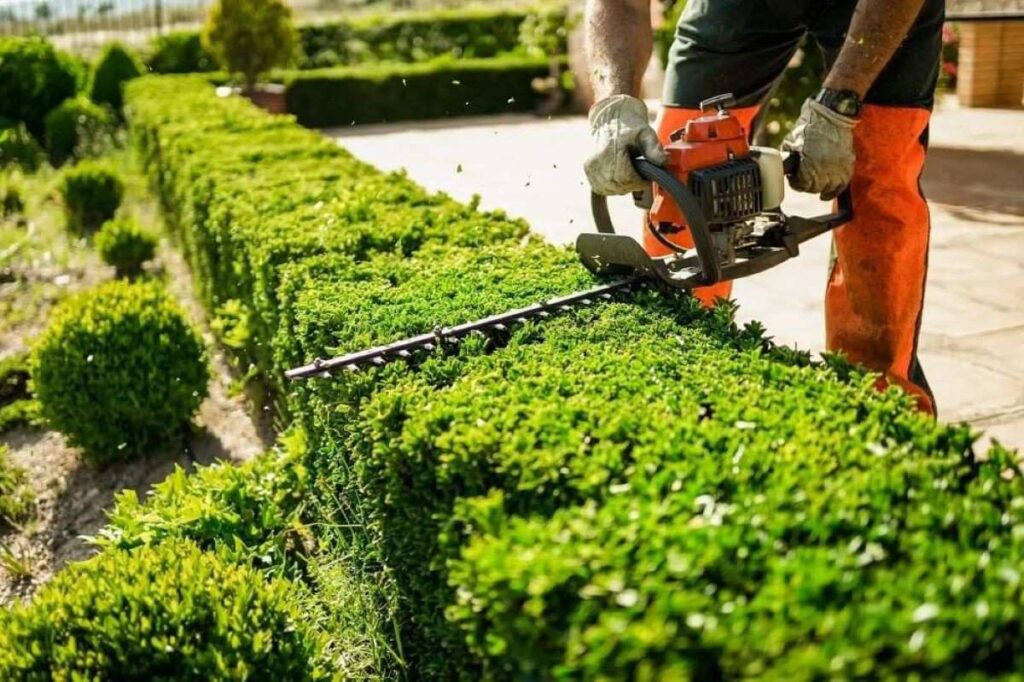
They should also keep the hedge slightly wider at the base than the top. This “taper” lets light reach lower branches, preventing bare legs and keeping privacy from ground level.
What simple hedge-trimming schedule works for most Sydney homes?
A practical schedule for many Sydney hedges is: one structural trim in late winter to early spring, one tidy trim in early autumn, and light maintenance trims in between as needed. This keeps growth controlled without overworking the plant.
If they prefer a very formal look, they can add a light trim in late spring and mid-summer, keeping those cuts shallow to avoid sunburn and stress.
What should they do right after trimming?
They should remove clippings, water deeply if conditions are dry, and consider a slow-release fertiliser in spring to support regrowth. Mulching helps conserve moisture and reduces weed competition, especially after a heavier cut.
They should also check the hedge line from multiple angles. Small corrections are easier when done immediately, and they prevent the hedge from drifting out of shape over the next growth flush.
More to Read : Emergency Tree Removal Willoughby: What to Do After Storm Damage or Fallen Trees
FAQs (Frequently Asked Questions)
When is the best overall season for hedge trimming in Sydney?
Late winter to early spring is the most reliable all-round window for many common Sydney hedges. This timing encourages dense regrowth just as the main growing season begins and makes shaping easier by revealing hedge structure before the spring flush. A stronger structural trim during this period followed by lighter trims later supports both appearance and plant resilience.
Can hedges be trimmed in summer in Sydney?
Summer is suitable for light maintenance trims but usually not ideal for major reshaping. Trimming too much outer foliage in hot, bright conditions can expose inner leaves to harsh sun, causing browning or dieback. If trimming is necessary, it’s best done on cooler days with light cuts and adequate watering before and after, avoiding heatwaves.
How often should hedges be trimmed in Sydney’s climate?
Fast-growing hedges typically benefit from a structural trim once or twice a year plus light maintenance trims every 6 to 10 weeks during the growing season. The frequency depends on hedge species and desired formality; formal hedges need more frequent trimming, while looser screen hedges require fewer well-timed cuts.
Should flowering hedges be trimmed before or after blooming?
Most flowering hedges should be trimmed right after they finish flowering rather than before. This preserves next season’s buds if the plant sets buds on older growth. If unsure, minimal shaping until flowering completes followed by confident trimming afterward keeps the hedge neat without sacrificing blooms.
What time of day is best for hedge trimming in Sydney?
Morning or late afternoon during warmer months are optimal times for hedge trimming. These periods avoid the harshest midday sun, reducing stress on freshly exposed foliage. Additionally, trimming when foliage is dry prevents disease spread and makes cleanup easier compared to wet conditions.
What simple hedge-trimming schedule works well for most Sydney homes?
A practical schedule includes one structural trim in late winter to early spring, one tidy trim in early autumn, and light maintenance trims as needed between these periods. This approach controls growth effectively without overworking plants. For very formal looks, additional light trims can be done in late spring and mid-summer with shallow cuts to avoid sunburn and stress.