
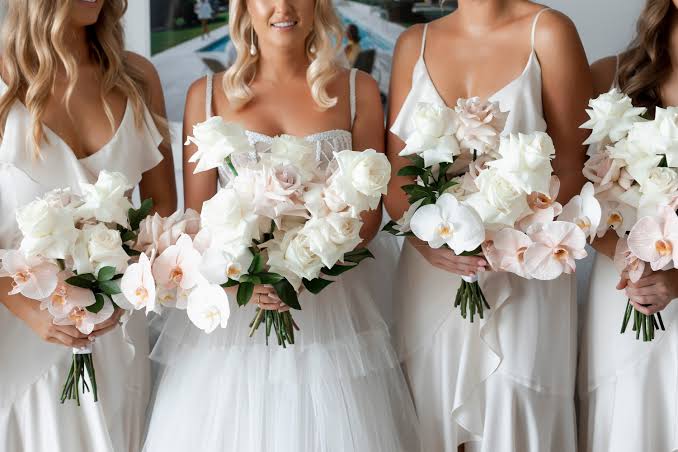
Wedding flowers are the one decorative element guests actually touch, smell and photograph up close. They also absorb somewhere between six and fifteen percent of a typical wedding budget, which makes them worth planning properly rather than deciding in week three of engagement.
This guide covers how wedding flowers Sydney planning actually works: the timeline, the pieces, the seasons, the venues and the numbers.
The booking timeline
Twelve to nine months out. Lock your date and venue first. Everything floral depends on both. Start shortlisting florists, particularly if you are marrying between October and April, when the best Sydney florists book out early.
Nine to six months out. Consultation, mood board, quote and deposit. Bring your venue details, dress style, colour palette and a realistic budget number.
Six to three months out. Confirm the full item list. Finalise bridal party numbers, table count and any installation work.
Six weeks out. Final numbers, final payment schedule, delivery and setup times confirmed with the venue.
One week out. Confirm delivery addresses, access times and contact people. Check the forecast and discuss heat contingencies.
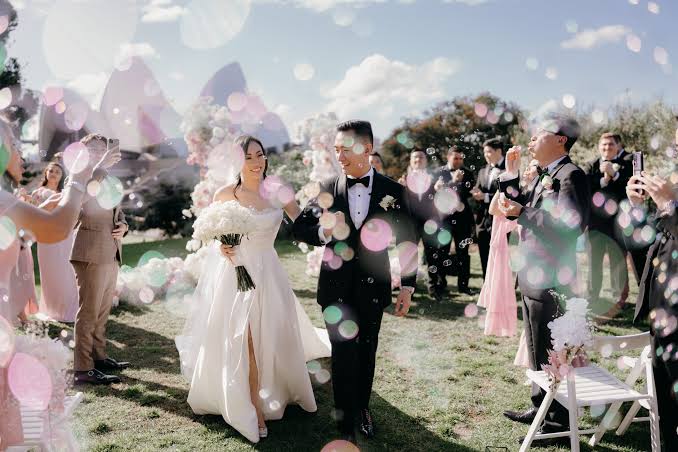
What you are actually ordering
A full wedding flowers Sydney order usually includes some combination of:
- Bridal bouquet
- Bridesmaid bouquets
- Buttonholes and corsages
- Ceremony arch, plinths or aisle arrangements
- Signing table flowers
- Reception centrepieces
- Bridal table or head table installation
- Cake flowers
- Bar, welcome sign and entry arrangements
- Hair flowers or floral crowns
You do not need all of it. The two pieces that appear in the most photographs are the bridal bouquet and the ceremony backdrop, so if the budget is tight, that is where the money goes.
Sydney seasonal availability
Buying seasonally is the single biggest lever on both cost and quality.
Spring, September to November. Peak season and peak demand. Ranunculus, tulips, sweet pea, boronia, waratah, flannel flower, and peonies in a short late-spring window. Beautiful, but book early.
Summer, December to February. Hydrangea, dahlias, sunflowers, celosia, tropicals. The main challenge is heat, not availability.
Autumn, March to May. Arguably the best season for wedding flowers Sydney couples. Garden roses at their peak, dahlias, berries, lisianthus, and gorgeous warm foliage. Weather is reliable and prices are calmer.
Winter, June to August. The value season. Camellia, hellebore, jonquil, tulips, banksia and wattle, with more florist availability and lower demand pricing.
If you want peonies and you are marrying in March, expect a serious import premium. A skilled florist will offer a garden rose or double lisianthus alternative that reads almost identically in photographs.
Venue shapes the flowers
Harbourside and beach venues. Balmoral, Clifton Gardens, Chowder Bay, Manly. Wind is the defining factor. Avoid tall unsupported arrangements, choose sturdier stems, and weight everything properly.
Gardens and parks. Beautiful but often require council permission for private events. North Sydney Council, for example, sets out when park bookings and permits are needed for private events including weddings, which affects both your setup window and your florist’s access.
Heritage and chapel venues. Often restrict what can be attached to walls, floors or pews. Confirm before designing an arch.
Warehouse and industrial spaces. Need volume to fill. Large installations and hanging elements work far better than small table posies.
Restaurants and small venues. Low centrepieces only, so guests can actually talk to each other.
Realistic Sydney budgets
- $1,200 to $2,500: bouquets, buttonholes and simple low centrepieces
- $2,500 to $5,000: the above plus a ceremony arch or aisle work and better focal flowers
- $5,000 to $9,000: larger installations, elevated centrepieces, more premium varieties
- $9,000 and up: full floral design with statement installations and luxury stems
Those ranges assume a Sydney metro wedding of eighty to a hundred and twenty guests. Delivery, setup, labour and pack-down are typically ten to twenty percent of the total and should be itemised in your quote.
Where to save without it showing
- Repurpose ceremony arrangements at the reception, and budget for a mover to do it
- Use fewer, larger centrepieces rather than one per table
- Choose in-season focal flowers and spend the savings on foliage volume
- Skip floral crowns and cake flowers, the two most commonly regretted line items
- Use candles and greenery to carry table design, with flowers as accents
- Marry in winter or on a Friday, when florist availability improves
Practical and legal bits
Amid the design decisions, remember the paperwork. The NSW Government sets out the requirements for getting married in NSW, including the Notice of Intended Marriage, authorised celebrants, witnesses and registration. The notice period drives your minimum timeline and therefore your floral booking window.
It is also worth understanding that wedding traditions themselves keep shifting. ANU’s sociology course on relationships, marriage and family examines exactly these changes in contemporary Australia, and it shows up in floristry: smaller bridal parties, more single-variety bouquets, more native material, and far fewer rigid rules than a decade ago.
Heat, wind and Sydney weather
For summer weddings, insist on morning delivery, cool storage on site, and hydrated mechanics. Bouquets should be kept in water until the last possible moment. Avoid hydrangea and fully open peonies in February heat, and choose roses, natives and lisianthus instead.
For windy harbour venues, keep arrangements low and heavy, and ask your florist about ground-anchored or weighted structures rather than tall freestanding ones.
Questions for your florist consultation
Ask how many weddings they take per weekend. Ask who will be on site for setup. Ask what happens if a key flower is unavailable. Ask for an itemised quote with labour and delivery separated. Ask whether they have worked at your venue before.
Those five questions tell you more about a wedding flowers Sydney supplier than any portfolio.